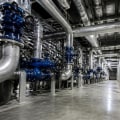
In the realm of modern industry, industrial plumbing systems play a crucial role in ensuring the smooth operation of various processes. These systems are designed to handle the unique demands of large-scale facilities, including manufacturing plants, warehouses, and commercial buildings. Unlike residential plumbing, which typically focuses on basic water supply and drainage, industrial plumbing encompasses a wide array of complex systems that manage not only water but also gases, chemicals, and waste products. Understanding these systems is essential for maintaining efficiency and safety in industrial environments. The importance of plumbing systems in industrial settings cannot be overstated.
They are integral to the functionality of equipment, the safety of workers, and compliance with environmental regulations. A well-designed plumbing system ensures that resources are utilized effectively while minimizing the risk of leaks or failures that could lead to costly downtime or hazardous situations. As industries evolve and expand, the challenges associated with industrial plumbing become more pronounced, necessitating a deeper understanding of potential issues. This article will delve into the most common problems encountered in industrial plumbing systems, shedding light on the complexities that professionals face daily. From corrosion and blockages to inadequate pressure and improper installation, these challenges can significantly impact operational efficiency.
By identifying these issues early on, industries can implement proactive measures to mitigate risks and enhance system performance.
Understanding Industrial Plumbing Systems
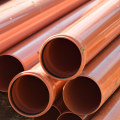
Industrial plumbing refers to the complex network of pipes, fixtures, and systems designed to manage water supply, waste disposal, and other fluid-related processes in industrial settings. Unlike residential plumbing, which typically serves individual homes, industrial plumbing systems are built to accommodate the needs of large facilities such as factories, warehouses, and manufacturing plants.Understanding the components of industrial plumbing is crucial for recognizing potential issues that may arise. Key components include:- Pipes: These are the backbone of any plumbing system, transporting water and waste. Common materials include PVC, copper, and steel.
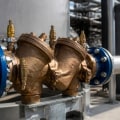
- Valves: Used to control the flow of fluids within the system.
They can be manual or automated.
- Fittings: Connect different sections of piping and allow for changes in direction or diameter.
- Fixtures: These include sinks, toilets, and other devices that utilize water.
- Pumps: Essential for moving water through the system, especially in large facilities where gravity alone is insufficient.
- Drainage Systems: Designed to remove wastewater efficiently and prevent backflow.
Common Problems in Industrial Plumbing Systems
Industrial plumbing systems are crucial for the smooth operation of various industries, but they are not without their challenges.Understanding the common problems encountered in these systems can help in proactive maintenance and timely repairs.1.Leaks Leaks are one of the most prevalent issues in industrial plumbing. They can occur due to:
- Worn-out seals and gaskets
- Corroded pipes
- Improper installation
- Accumulation of debris and sediment
- Grease buildup in drainage systems
- Foreign objects obstructing pipes
- The type of materials used in piping
- The chemical composition of the fluids being transported
- Environmental conditions such as humidity and temperature fluctuations
Issues related to pressure may arise from:
- Pump failures
- Piping obstructions
- Improperly sized pipes or fittings
Causes of Plumbing Issues in Industrial Settings
Understanding the causes of plumbing issues in industrial settings is crucial for maintaining efficient operations. Several factors contribute to the deterioration of industrial plumbing systems, leading to costly repairs and downtime.Environmental Factors Industrial facilities often operate in harsh environments that can significantly impact plumbing systems. Factors such as:- Temperature fluctuations: Extreme heat or cold can cause pipes to expand and contract, leading to cracks or leaks.
- Chemical exposure: Many industrial processes involve corrosive substances that can degrade pipe materials over time.
- Humidity levels: High humidity can lead to condensation, promoting rust and corrosion in metal pipes.
- Piping material quality: Inferior materials may not withstand the operational demands, leading to premature failure.
- Aging infrastructure: Older systems may have outdated materials that are more susceptible to leaks and breaks.
Neglecting this aspect can result in:
- Clogged pipes: Accumulation of debris and sediment can obstruct flow, causing pressure build-up and potential bursts.
- Inadequate inspections: Failing to conduct routine checks can allow small problems to escalate into major failures.
Impact of Plumbing Problems on Industrial Operations
In the realm of industrial plumbing, the repercussions of plumbing issues can be profound, affecting not only the immediate operations but also the long-term viability of a business. Understanding these impacts is essential for any organization that relies on complex plumbing systems.Productivity Loss
: One of the most immediate effects of plumbing failures is a significant drop in productivity. When a plumbing system malfunctions, it can lead to:- Disruption of manufacturing processes
- Downtime while repairs are made
- Delayed shipments due to halted production
Safety Hazards
: Plumbing issues can also pose serious safety risks. Leaks or bursts in pipes can create hazardous working conditions, such as:- Slippery floors leading to accidents
- Exposure to harmful chemicals if the plumbing system carries hazardous materials
- Potential for mold growth due to water accumulation, which can affect air quality
Financial Consequences
: The cost implications of plumbing problems in industrial settings can be staggering.Businesses may face:
- Repair costs that escalate quickly if issues are not addressed promptly
- Increased utility bills due to leaks or inefficiencies in the plumbing system
- Potential fines or legal fees if safety regulations are violated due to plumbing failures
Preventive Measures for Industrial Plumbing Systems
To ensure the longevity and efficiency of industrial plumbing systems, implementing effective preventive maintenance strategies is crucial. By proactively addressing potential issues, facilities can avoid costly repairs and downtime.Regular Inspections
- Conduct routine inspections of all plumbing components, including pipes, valves, and fixtures, to identify signs of wear or damage.
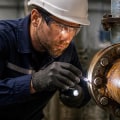
- Utilize advanced technologies such as thermal imaging and video camera inspections to detect leaks and blockages that may not be visible to the naked eye.
Scheduled Maintenance
- Establish a maintenance schedule that includes regular cleaning of drains and sewer lines to prevent buildup and clogs.
- Replace worn-out parts before they fail, focusing on high-risk areas such as joints and connections.
Employee Training
- Train employees on proper usage of plumbing systems to minimize misuse that can lead to damage.
- Encourage reporting of any unusual sounds or leaks immediately to facilitate quick action.
Water Quality Management
- Monitor water quality regularly to prevent corrosion and scaling in pipes, which can lead to significant plumbing issues.
- Implement water treatment solutions where necessary to maintain optimal conditions for plumbing systems.
Best Practices for Care
- Avoid pouring grease or chemicals down drains, as these can cause severe blockages and damage over time.
- Install backflow prevention devices to protect against contamination from external sources.
When to Seek Professional Help for Plumbing Issues
In the realm of industrial plumbing, recognizing when to seek professional help is crucial for maintaining operational efficiency and safety. Many businesses may attempt to address plumbing issues internally, but certain signs indicate that it’s time to call in the experts.- Persistent Leaks: If you notice ongoing leaks that do not resolve with minor repairs, it’s essential to consult a professional.
Continuous leaks can lead to significant water damage and increased utility costs.
- Unusual Noises: Sounds such as gurgling, banging, or hissing from pipes can signal underlying issues. These noises often indicate air in the system or pressure problems that require expert assessment.
- Slow Drains: While occasional slow drains can be managed with basic maintenance, consistent drainage issues may point to deeper blockages or pipe deterioration that necessitate professional intervention.
- Water Quality Issues: If you notice changes in water color, odor, or taste, it’s a clear sign that your plumbing system may be compromised. Contaminated water can pose serious health risks and should be addressed immediately by a qualified plumber.
- Frequent Clogs: Regularly experiencing clogs in multiple fixtures suggests a more significant problem within the plumbing system. A professional can conduct a thorough inspection to identify and resolve the root cause.
Professionals bring specialized tools and knowledge that can save time and prevent further damage. Additionally, they can offer valuable advice on maintenance practices to avoid future complications.In summary, if you encounter any of these signs, don’t hesitate to reach out for professional plumbing services. Early intervention can save your business from costly repairs and downtime.
FAQs About Industrial Plumbing Problems
When it comes to industrial plumbing, understanding the common issues can help in effective troubleshooting and maintenance. Here are some frequently asked questions regarding industrial plumbing problems.What are the most common problems in industrial plumbing systems?
Some of the most prevalent issues include:- Pipe leaks: Often caused by corrosion, wear, or improper installation.
- Clogged drains: Resulting from debris buildup, grease, or foreign objects.
- Water pressure issues: Can be due to blockages, leaks, or malfunctioning pumps.
- Backflow problems: Occur when contaminated water flows back into clean water supply lines.
- Temperature control failures: Affecting hot water systems and leading to inefficiencies.
How can I troubleshoot industrial plumbing issues?
Troubleshooting involves a systematic approach:- Identify the symptoms: Look for signs like unusual noises, slow drainage, or visible leaks.
- Check for blockages: Inspect pipes and drains for any obstructions.
- Monitor water pressure: Use a pressure gauge to determine if levels are within normal ranges.
- Inspect valves and fittings: Ensure they are functioning correctly and not contributing to leaks.
- Consult professionals: If issues persist, it’s advisable to contact a licensed plumber with experience in industrial systems.
What preventive measures can be taken?
To minimize the risk of plumbing issues, consider the following preventive measures:- Regular inspections: Schedule routine checks to identify potential problems early.
- Proper maintenance: Keep all plumbing components well-maintained and replace worn parts promptly.
- Employee training: Educate staff on proper usage and reporting of plumbing issues.
Conclusion: Key Takeaways on Industrial Plumbing Challenges
In summary, understanding the common challenges faced in industrial plumbing systems is crucial for maintaining operational efficiency and safety.Throughout this article, we have explored several key issues that can arise, including:
- Clogged Drains: A frequent problem that can lead to significant downtime and costly repairs.
- Pipe Corrosion: This can compromise the integrity of plumbing systems, leading to leaks and failures.
- Pressure Fluctuations: Variations in water pressure can affect system performance and equipment functionality.
- Improper Installation: Poorly installed systems can result in a myriad of problems, from leaks to inefficient operation.
- Backflow Issues: Contaminated water can enter clean water supplies if backflow prevention measures are not in place.