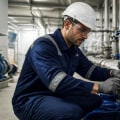
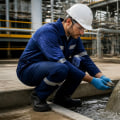
In the realm of industrial plumbing, understanding the intricacies of plumbing systems is crucial for maintaining operational efficiency and safety. These systems are designed to handle the unique demands of various industries, from manufacturing plants to food processing facilities. Unlike residential plumbing, industrial plumbing systems are typically more complex, incorporating a variety of components that work together to transport water, waste, and other fluids essential for production processes. At the core of these systems are several key components, including pipes, valves, pumps, and fixtures. Each element plays a vital role in ensuring that fluids are delivered and disposed of effectively.
For instance, pipes must be constructed from materials that can withstand high pressures and corrosive substances, while valves regulate flow and pressure to prevent system failures. Understanding the types of industrial plumbing—such as sanitary, stormwater, and process piping—is essential for identifying potential vulnerabilities that could lead to leaks. The importance of a well-functioning industrial plumbing system cannot be overstated. Leaks not only disrupt operations but can also lead to significant financial losses and environmental hazards. By grasping the fundamental aspects of these systems, industries can better prepare for maintenance and troubleshooting, ultimately enhancing their resilience against leaks and other plumbing-related issues.
Common Causes of Leaks in Industrial Plumbing
Understanding the common causes of leaks in industrial plumbing systems is essential for effective prevention and maintenance.Several factors contribute to plumbing failures, and recognizing these can help mitigate risks.
- Wear and Tear: Over time, pipes and fittings can experience significant wear due to constant pressure and flow. This deterioration can lead to cracks and eventual leaks.
- Corrosion: Industrial environments often expose plumbing systems to harsh chemicals and moisture, which can accelerate corrosion. Metal pipes are particularly susceptible, leading to weakened structures that are prone to leaking.
- Improper Installation: If plumbing systems are not installed correctly, it can result in misalignments or inadequate sealing. These issues can create weak points that may develop into leaks over time.
- Temperature Fluctuations: Extreme temperature changes can cause materials to expand and contract, leading to stress on joints and connections.
This stress can result in leaks if the materials are not designed to withstand such variations.
- High Pressure: Industrial plumbing systems often operate under high pressure. If the system is not designed to handle this pressure, it can lead to ruptures or leaks at weak points.
Preventive Measures for Leak Prevention
Preventing leaks in industrial plumbing systems is crucial for maintaining operational efficiency and minimizing costs. Implementing a proactive approach to maintenance can significantly reduce the risk of leaks.Here are some effective strategies:
- Regular Maintenance Schedules: Establish a routine maintenance schedule that includes inspections and servicing of all plumbing components. This should be done at least quarterly, or more frequently in high-use areas.
- Thorough Inspections: Conduct comprehensive inspections of pipes, joints, and fittings to identify any signs of wear or corrosion. Pay special attention to areas where leaks are more likely to occur, such as around valves and connections.
- Quality Materials: Invest in high-quality materials that are designed to withstand the specific conditions of your industrial environment. Using durable pipes and fittings can prevent premature failure and leaks.
- Leak Detection Systems: Implement advanced leak detection systems that can monitor for moisture and pressure changes in real-time.
These systems can alert maintenance personnel to potential issues before they escalate.
- Employee Training: Train employees on the importance of leak prevention and how to identify early signs of plumbing issues. Empowering staff to report potential problems can lead to quicker resolutions.
Identifying Signs of Leaks in Industrial Plumbing Systems
Identifying leaks in industrial plumbing systems is crucial for maintaining operational efficiency and minimizing costs. Early detection can prevent extensive damage and costly repairs.Here are some common signs to look for:
- Unexplained Water Accumulation: Puddles or wet spots around pipes, machinery, or on the floor can indicate a leak.
- Increased Water Bills: A sudden spike in water usage without a corresponding increase in production can signal hidden leaks.
- Unusual Sounds: Listen for hissing or dripping noises that may suggest water escaping from pipes.
- Corrosion or Staining: Rust or discoloration on pipes and surrounding areas can be a sign of moisture buildup due to leaks.
- Acoustic Leak Detection: This method uses sensitive microphones to detect the sound of water escaping from pipes, even through walls or underground.
- Thermal Imaging: Infrared cameras can identify temperature differences caused by leaking water, making it easier to locate hidden leaks.
- Pressure Testing: By monitoring the pressure within the plumbing system, you can identify drops that may indicate a leak.
Fixing Leaks: Step-by-Step Guide
When it comes to fixing leaks in an industrial plumbing system, a systematic approach is essential. Below is a step-by-step guide to help you identify and repair leaks effectively.- Identify the Leak: Start by inspecting the plumbing system for visible signs of leaks, such as water stains, corrosion, or dampness.
Use a moisture meter for hidden leaks.
- Shut Off Water Supply: Before beginning any repairs, ensure that the water supply to the affected area is turned off to prevent further damage.
- Gather Necessary Tools: Equip yourself with the right tools, including:
- Pipe wrenches
- Screwdrivers
- PVC cutter or hacksaw
- Pipe sealant or Teflon tape
- Replacement fittings or pipes
- Repair Techniques: Depending on the type of leak, different techniques may be applied:
- Pinhole Leaks: For small leaks, apply a pipe sealant or epoxy putty directly over the leak. Allow it to cure as per the manufacturer's instructions.
- Joint Leaks: If the leak is at a joint, tighten the fittings using a wrench. If this does not resolve the issue, disassemble the joint and replace any worn-out seals or gaskets.
- Cracked Pipes: For larger cracks, cut out the damaged section using a pipe cutter and replace it with a new piece of pipe. Ensure to use appropriate fittings and sealants.
- Test for Leaks: Once repairs are made, turn the water supply back on slowly and check for any signs of leakage.
Monitor the area for several hours to ensure that no new leaks develop.
- Document Repairs: Keep a record of all repairs made, including dates and materials used. This documentation can be invaluable for future maintenance and inspections.
When to Call a Professional Plumber
In the realm of industrial plumbing, recognizing when to call a professional plumber is crucial for maintaining system integrity and safety. While some minor issues can be addressed with basic tools and knowledge, certain situations demand the expertise of a trained professional.- Persistent Leaks: If you notice ongoing leaks that do not respond to temporary fixes, it’s time to consult a professional. Continuous leaks can lead to significant water damage and increased utility costs.
- Low Water Pressure: A sudden drop in water pressure may indicate a serious issue within the plumbing system, such as a hidden leak or blockage.
A professional can diagnose the problem accurately.
- Unusual Noises: Sounds like gurgling or banging in pipes can signal air pockets or other issues that require expert attention. Ignoring these noises may lead to more severe plumbing emergencies.
- Backflow Issues: If you experience backflow, where wastewater flows back into your clean water supply, immediate professional intervention is necessary to prevent health hazards.
- Clogged Drains: While minor clogs can often be cleared with a plunger, persistent or severe clogs may require specialized equipment and expertise to resolve effectively.
FAQs About Industrial Plumbing Leaks
When it comes to industrial plumbing, leaks can lead to significant operational disruptions and financial losses.Here are some frequently asked questions regarding leaks in industrial plumbing systems:
What are the common causes of leaks in industrial plumbing?
Leaks in industrial plumbing can arise from various factors, including:- Corrosion: Over time, pipes can corrode due to chemical exposure or age, leading to leaks.
- Poor installation: Improperly installed pipes or fittings can create weak points that are prone to leaking.
- Pressure fluctuations: Sudden changes in water pressure can stress pipes and cause them to crack or burst.
- Temperature changes: Extreme temperature variations can cause materials to expand and contract, leading to leaks.
How can I prevent leaks in my industrial plumbing system?
Preventing leaks is crucial for maintaining the integrity of your plumbing system. Here are some effective strategies:- Regular inspections: Conduct routine checks on pipes, joints, and fittings to identify potential issues before they escalate.
- Use quality materials: Invest in high-quality pipes and fittings that are resistant to corrosion and wear.
- Maintain proper pressure: Ensure that your system operates within the recommended pressure range to avoid undue stress on pipes.
- Temperature control: Implement measures to regulate temperature fluctuations that could affect pipe integrity.
What should I do if I discover a leak?
If you find a leak in your industrial plumbing system, take the following steps:- Shut off the water supply: Immediately turn off the water supply to prevent further damage.
- Assess the damage: Determine the extent of the leak and whether it requires professional intervention.
- Contact a professional: If the leak is significant or beyond your expertise, reach out to a qualified plumber specializing in industrial systems.
Conclusion: Key Takeaways on Preventing and Fixing Industrial Plumbing Leaks
In conclusion, effectively preventing and fixing leaks in industrial plumbing systems is crucial for maintaining operational efficiency and minimizing costs. By implementing a proactive approach, facilities can significantly reduce the risk of leaks and their associated damages.Key Takeaways:- Regular Inspections: Conducting routine inspections allows for the early detection of potential issues. Look for signs of wear, corrosion, or unusual moisture levels around pipes and fittings.
- Quality Materials: Investing in high-quality materials and components can enhance the durability of your plumbing system.
Choose materials that are resistant to corrosion and suitable for the specific industrial environment.
- Proper Installation: Ensure that all plumbing installations are performed by qualified professionals. Poor installation practices can lead to leaks and system failures down the line.
- Timely Repairs: Addressing leaks as soon as they are detected is essential. Delaying repairs can lead to more significant issues, including water damage and increased operational costs.
- Employee Training: Educating staff on the importance of leak prevention and how to identify early warning signs can foster a culture of vigilance within the workplace.