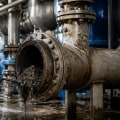
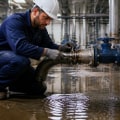
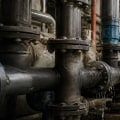
In the realm of industrial plumbing, the systems and materials used are crucial for ensuring efficiency, safety, and compliance with regulatory standards. Unlike residential plumbing, which typically focuses on smaller-scale applications, industrial plumbing encompasses a wide range of facilities, including manufacturing plants, refineries, and large commercial buildings. These environments demand robust plumbing solutions that can handle high volumes of water, chemicals, and other substances. The significance of industrial plumbing cannot be overstated; it plays a vital role in maintaining operational continuity and supporting various industrial processes. From transporting potable water to managing wastewater, the plumbing systems must be designed to withstand extreme conditions and heavy usage.
This is where the choice of materials becomes paramount, as different types of pipes offer unique advantages depending on the specific requirements of the industry. As we delve deeper into this topic, we will explore the various types of pipes commonly used in industrial plumbing systems. Understanding these materials not only helps in selecting the right pipe for a given application but also aids in optimizing maintenance practices and enhancing overall system performance. Whether it’s steel, PVC, or copper, each type of pipe has its own set of characteristics that make it suitable for particular industrial needs.
Common Types of Pipes in Industrial Plumbing
In the realm of industrial plumbing, the choice of pipe material is crucial for ensuring durability, efficiency, and safety. Various types of pipes are utilized, each serving specific functions based on their material properties and the requirements of the plumbing system.- Steel Pipes: Known for their strength and durability, steel pipes are commonly used in high-pressure applications.
They are often galvanized to prevent rust and corrosion, making them suitable for transporting water, gas, and other fluids.
- PVC Pipes: Polyvinyl chloride (PVC) pipes are lightweight, resistant to corrosion, and easy to install. They are widely used for drainage systems and in applications where chemical resistance is necessary.
- CPVC Pipes: Chlorinated polyvinyl chloride (CPVC) pipes can withstand higher temperatures than standard PVC. They are ideal for hot water applications and are often used in industrial settings where temperature control is essential.
- HDPE Pipes: High-density polyethylene (HDPE) pipes are known for their flexibility and resistance to impact and chemicals. They are commonly used in underground installations and for transporting potable water.
- Copper Pipes: Copper is a traditional choice for plumbing due to its antimicrobial properties and reliability.
It is often used in heating systems and for drinking water supply lines.
Steel Pipes
When it comes to industrial plumbing, steel pipes are a top choice due to their remarkable durability and strength. These pipes are commonly used in various industrial applications, including water supply, gas distribution, and waste management systems.Their ability to withstand high pressure and temperature makes them ideal for demanding environments.
Advantages of Steel Pipes
- Durability: Steel pipes are resistant to corrosion and can last for decades with proper maintenance. This longevity reduces the need for frequent replacements, making them a cost-effective option in the long run.
- Strength: The inherent strength of steel allows these pipes to handle heavy loads and high-pressure conditions, which is essential in industrial settings where safety is paramount.
- Versatility: Steel pipes can be used for a variety of fluids, including water, oil, and chemicals, making them suitable for diverse industrial applications.
- Recyclability: Steel is one of the most recycled materials globally, contributing to sustainability efforts in industrial plumbing.
PVC and CPVC Pipes
When it comes to industrial plumbing, PVC (Polyvinyl Chloride) and CPVC (Chlorinated Polyvinyl Chloride) pipes are two of the most widely used materials.Both types of pipes offer unique advantages that make them suitable for various applications in industrial settings.
PVC Pipes
PVC pipes are known for their lightweight and durable nature. They are resistant to corrosion, which is a significant advantage in environments where chemicals and moisture are prevalent. This resistance helps to extend the lifespan of the plumbing system, reducing maintenance costs over time.- Corrosion Resistance: Unlike metal pipes, PVC does not rust or corrode, making it ideal for transporting water and chemicals.
- Cost-Effective: PVC pipes are generally less expensive than their metal counterparts, both in terms of material costs and installation.
- Ease of Installation: The lightweight nature of PVC makes it easier to handle and install, which can significantly reduce labor costs.
CPVC Pipes
CPVC pipes, on the other hand, are treated with chlorine during manufacturing, which enhances their heat resistance. This makes them suitable for hot water applications, a feature that standard PVC cannot accommodate.- Higher Temperature Tolerance: CPVC can handle temperatures up to 200°F (93°C), making it ideal for hot water systems.
- Chemical Resistance: Like PVC, CPVC is also resistant to a wide range of chemicals, making it suitable for industrial environments where chemical exposure is common.
- Longer Lifespan: The enhanced properties of CPVC contribute to a longer service life compared to traditional PVC pipes.
Their unique properties not only ensure durability and efficiency but also provide cost-effective solutions for various plumbing needs. Choosing the right type of pipe depends on the specific requirements of the project, including temperature tolerance and chemical exposure.
Copper Pipes
Copper pipes have long been a staple in the realm of industrial plumbing, thanks to their unique properties and versatility. One of the most significant advantages of copper pipes is their antimicrobial properties. This means that they can inhibit the growth of harmful bacteria and other pathogens, making them an ideal choice for industries where hygiene is paramount, such as food processing and pharmaceuticals.In addition to their health benefits, copper pipes are known for their durability and resistance to corrosion.This resilience allows them to withstand high temperatures and pressures, which is essential in many industrial applications. Furthermore, copper's ability to expand and contract without losing its structural integrity makes it suitable for environments with fluctuating temperatures.
- Applications: Copper pipes are commonly used in:
- Water supply systems
- Heating systems
- Refrigeration systems
- Gas lines
As industries increasingly focus on sustainability, the demand for copper pipes is likely to grow.In summary, the combination of antimicrobial properties, durability, ease of installation, and sustainability makes copper pipes a preferred choice in industrial plumbing. Their ability to meet the rigorous demands of various applications ensures that they will remain a vital component in the industry for years to come.
Pex Pipes
PEX pipes, or cross-linked polyethylene pipes, have gained significant popularity in the realm of industrial plumbing due to their unique properties and advantages. One of the most notable features of PEX is its flexibility, which allows for easier installation in tight spaces and complex layouts. This flexibility reduces the need for numerous fittings, which can be a source of leaks in traditional piping systems.Another advantage of PEX pipes is their resistance to scale and chlorine, making them an excellent choice for industrial applications where water quality is a concern.Unlike metal pipes, PEX does not corrode or develop scale buildup over time, ensuring a longer lifespan and consistent water flow.
Applications of PEX in Industrial Plumbing
- Hot and Cold Water Distribution: PEX is widely used for both hot and cold water supply lines in industrial settings due to its ability to withstand high temperatures without compromising structural integrity.
- Radiant Heating Systems: The flexibility of PEX makes it ideal for radiant heating applications, allowing for easy installation under floors or within walls.
- Fire Sprinkler Systems: PEX is increasingly being utilized in fire protection systems because it can handle the necessary pressure and is resistant to freezing.
- Process Piping: In various industrial processes, PEX can be used to transport chemicals and other fluids safely, thanks to its chemical resistance.
Cast Iron Pipes
When it comes to industrial plumbing, cast iron pipes have long been a preferred choice due to their remarkable strength and durability. These pipes are made from molten iron that is poured into molds, resulting in a robust material that can withstand high pressures and heavy loads, making them ideal for industrial applications.One of the standout features of cast iron plumbing is its excellent sound-dampening properties. The density of cast iron significantly reduces noise from water flow, which is particularly beneficial in large industrial facilities where loud sounds can be disruptive.This characteristic not only enhances the working environment but also contributes to compliance with noise regulations.In addition to their acoustic benefits, cast iron pipes offer several other advantages:
- Longevity: Cast iron pipes can last over 50 years, often exceeding the lifespan of other materials like PVC or copper.
- Corrosion Resistance: When properly maintained, cast iron is resistant to corrosion, especially when used in non-pressurized systems.
- Fire Resistance: Cast iron does not burn, making it a safe option for industrial settings where fire hazards are a concern.
- Load-Bearing Capacity: These pipes can handle heavy loads without deforming, which is crucial in industrial environments where equipment and machinery are prevalent.
Choosing the Right Pipe for Your Industrial Needs
When it comes to industrial plumbing, selecting the right type of pipe is crucial for ensuring efficiency, safety, and longevity in your plumbing system. Here are some key factors to consider when making your choice:- Material: The material of the pipe significantly affects its durability and suitability for specific applications.
Common materials include:
- Steel: Known for its strength and resistance to high pressures, steel pipes are ideal for transporting water and gas.
- PVC: Lightweight and resistant to corrosion, PVC pipes are often used for drainage and venting systems.
- CPVC: Similar to PVC but can withstand higher temperatures, making it suitable for hot water applications.
- PEX: Flexible and easy to install, PEX is increasingly popular for both residential and industrial plumbing.
FAQs About Industrial Plumbing Pipes
When it comes to industrial plumbing, understanding the types of pipes used and their maintenance is crucial for ensuring efficiency and longevity.Here are some frequently asked questions regarding industrial plumbing pipes:
What are the most common types of pipes used in industrial plumbing?
- Steel Pipes: Known for their strength and durability, steel pipes are often used in high-pressure applications.
- PVC Pipes: Lightweight and resistant to corrosion, PVC pipes are commonly used for drainage and venting systems.
- CPVC Pipes: Similar to PVC but can withstand higher temperatures, making them suitable for hot water applications.
- Cast Iron Pipes: These are typically used for waste and drainage systems due to their durability and sound-dampening properties.
- Copper Pipes: Often used in water supply lines, copper pipes are resistant to corrosion and have natural antimicrobial properties.
How can I maintain industrial plumbing pipes?
Proper maintenance of industrial plumbing pipes is essential to prevent leaks and ensure optimal performance. Here are some tips:- Regular Inspections: Schedule routine inspections to identify any signs of wear or damage early.
- Cleaning: Regularly clean pipes to prevent buildup of debris or corrosion, especially in older systems.
- Temperature Monitoring: Keep an eye on temperature fluctuations that could affect pipe integrity, particularly for materials sensitive to heat.
- Leak Detection: Implement leak detection systems to quickly identify and address any issues before they escalate.
What should I do if I notice a leak in my industrial plumbing?
If you detect a leak, it’s important to act quickly. First, shut off the water supply to prevent further damage. Then, contact a professional plumber who specializes in industrial plumbing.They can assess the situation and recommend the best course of action, whether it involves repairs or complete pipe replacement.By addressing these common questions about industrial plumbing pipes, you can enhance your understanding and ensure your systems operate smoothly.
Conclusion: Key Takeaways on Industrial Plumbing Pipes
In summary, understanding the various types of pipes used in industrial plumbing is crucial for ensuring the efficiency, safety, and longevity of plumbing systems. Each type of pipe offers unique benefits and is suited for specific applications within industrial settings.Steel pipes
, known for their strength and durability, are often used in high-pressure applications. Their resistance to corrosion makes them ideal for transporting water, gas, and other fluids. On the other hand, PVC pipes are lightweight and resistant to chemicals, making them a popular choice for drainage and waste systems. Additionally, copper pipes are favored for their antimicrobial properties and excellent heat conductivity, which is essential in heating systems.Cast iron pipes, while heavier, provide exceptional durability and sound insulation, making them suitable for underground installations. Furthermore, HDPE (High-Density Polyethylene) pipes are increasingly being used due to their flexibility and resistance to environmental stressors. This makes them ideal for various applications, including water supply and sewage systems. Ultimately, selecting the right type of pipe is vital for optimizing performance and minimizing maintenance costs in industrial plumbing. By understanding the characteristics and applications of each pipe type, professionals can make informed decisions that enhance the overall functionality of their plumbing systems. In conclusion, whether it’s steel, PVC, copper, cast iron, or HDPE pipes, each material plays a significant role in the infrastructure of industrial plumbing. A thorough knowledge of these options not only aids in effective installation but also ensures compliance with industry standards and regulations.