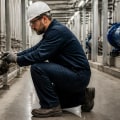
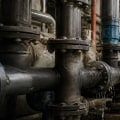
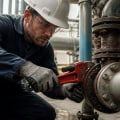
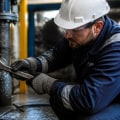
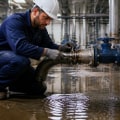
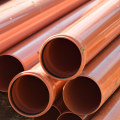
Industrial plumbing systems are a critical component of various sectors, including manufacturing, construction, and energy production. These systems are designed to handle the unique demands of industrial environments, where the volume and complexity of plumbing needs far exceed those of residential or commercial systems. Understanding industrial plumbing is essential for ensuring operational efficiency and safety in these high-stakes settings. At its core, industrial plumbing encompasses a range of specialized systems that manage water supply, waste disposal, and fluid transport. This includes everything from large-scale piping networks to intricate drainage systems.
Common applications can be found in factories, power plants, and chemical processing facilities, where the integrity of plumbing systems directly impacts productivity and safety. The types of industrial plumbing can vary significantly based on the specific requirements of each industry, including high-pressure systems for steam or gas, as well as corrosive-resistant materials for chemical handling. As we delve deeper into the topic, it becomes clear that understanding the intricacies of industrial plumbing systems is not just about functionality; it also involves recognizing the potential hazards associated with their operation. This knowledge is vital for implementing effective safety precautions that protect workers and ensure compliance with industry regulations. By grasping the fundamentals of industrial plumbing, professionals can better prepare themselves to address the challenges and responsibilities that come with maintaining these essential systems.
Common Hazards in Industrial Plumbing
Working with industrial plumbing systems presents a variety of hazards that can pose significant risks to workers.Understanding these hazards is essential for ensuring safety and implementing effective precautions. One of the primary hazards in industrial plumbing is chemical exposure. Many plumbing systems involve the use of hazardous materials, such as solvents, adhesives, and cleaning agents. Prolonged exposure to these chemicals can lead to serious health issues, including respiratory problems and skin irritation. It is crucial for workers to wear appropriate personal protective equipment (PPE), such as gloves and respirators, when handling these substances. Another significant risk is associated with high-pressure systems.
Industrial plumbing often involves pipes that operate under high pressure, which can lead to catastrophic failures if not properly managed. A sudden burst or leak can result in serious injuries or even fatalities. Regular maintenance and inspections are vital to ensure that all components are functioning correctly and safely. Physical injuries are also a common concern in the field of industrial plumbing. Workers may face risks from heavy lifting, slips, trips, and falls while navigating complex plumbing layouts.
To mitigate these risks, it is important to implement proper lifting techniques and maintain a clean work environment.
- Chemical Exposure: Use PPE and ensure proper ventilation.
- High Pressure: Regularly inspect and maintain pressure systems.
- Physical Injuries: Follow safety protocols for lifting and maintain a tidy workspace.
Personal Protective Equipment (PPE) for Industrial Plumbing Work
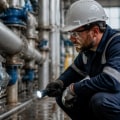
When working in industrial plumbing environments, the use of Personal Protective Equipment (PPE) is crucial for ensuring the safety and well-being of workers. The nature of industrial plumbing often involves exposure to hazardous materials, heavy machinery, and various environmental risks, making appropriate safety gear essential.- Gloves: Durable gloves are a must-have for any plumber. They protect against cuts, abrasions, and exposure to harmful chemicals. Depending on the specific tasks, materials such as rubber or nitrile may be used to provide chemical resistance.
- Goggles: Eye protection is vital when working with pressurized systems or when cutting pipes.
Safety goggles should be worn to shield the eyes from flying debris, splashes of hazardous liquids, and other potential hazards.
- Helmets: Hard hats are essential in environments where there is a risk of falling objects or overhead hazards. They provide critical head protection and should meet industry safety standards.
- Respirators: In situations where plumbers may encounter harmful fumes or dust, respirators are necessary to protect the respiratory system. Selecting the right type of respirator based on the specific contaminants present is important for effective protection.
- Footwear: Steel-toed boots are recommended to protect against heavy objects that may fall or roll onto the feet. Additionally, slip-resistant soles help prevent falls in wet or oily conditions.
- High-visibility clothing: In busy industrial settings, wearing high-visibility vests or clothing can help ensure that workers are seen by others, reducing the risk of accidents.
Not only does it protect individual workers from immediate dangers, but it also fosters a culture of safety within the workplace. Employers should ensure that all personnel are trained in the proper use and maintenance of their PPE to maximize its effectiveness.
Safety Protocols and Best Practices
When working with industrial plumbing systems, adhering to established safety protocols is crucial to ensure the well-being of all personnel involved. Below are key safety measures and best practices that should be implemented:- Lockout/Tagout Procedures: Before beginning any maintenance or repair work, it is essential to follow lockout/tagout (LOTO) procedures. This involves shutting down equipment and securing it with locks and tags to prevent accidental re-energization.
Proper training on LOTO practices can significantly reduce the risk of injuries.
- Proper Ventilation: Many industrial plumbing systems involve the use of hazardous materials or generate harmful gases. Ensuring adequate ventilation in work areas is vital. Use exhaust fans or open windows to maintain air quality and reduce the risk of inhalation of toxic substances.
- Personal Protective Equipment (PPE): Always wear appropriate PPE, including gloves, goggles, and hard hats. Depending on the specific tasks, additional gear such as respirators or face shields may be necessary to protect against chemical exposure or physical hazards.
- Safe Handling of Materials: When transporting or handling heavy materials, use proper lifting techniques or mechanical aids to prevent injuries.
Be aware of the weight limits and ensure that all team members are trained in safe handling practices.
- Emergency Preparedness: Familiarize yourself with emergency procedures, including the location of first aid kits, fire extinguishers, and emergency exits. Conduct regular drills to ensure that all personnel know how to respond in case of an emergency.
Emergency Preparedness and Response Plans
In the realm of industrial plumbing, having a robust emergency preparedness and response plan is crucial for ensuring the safety of workers and minimizing damage during unforeseen incidents. Such plans not only outline the necessary steps to take in emergencies but also help in fostering a culture of safety within the workplace.Creating an Effective Emergency Response Plan
- Risk Assessment: Begin by identifying potential hazards associated with your plumbing systems, such as leaks, chemical spills, or equipment failures.
Understanding these risks allows for tailored response strategies.
- Clear Procedures: Develop clear, step-by-step procedures for various emergency scenarios. This should include evacuation routes, communication protocols, and specific actions to mitigate risks.
- Training and Drills: Regular training sessions and emergency drills are essential. They ensure that all employees are familiar with the emergency procedures and can act swiftly when needed.
- Emergency Contacts: Maintain an updated list of emergency contacts, including local emergency services, plumbing specialists, and internal safety officers. This list should be easily accessible to all employees.
Components of a Comprehensive Safety Plan
- First Aid Resources: Ensure that first aid kits are readily available and stocked with necessary supplies.
Designate trained personnel who can administer first aid in case of injuries.
- Communication Systems: Establish reliable communication systems to alert employees about emergencies. This could include alarms, intercoms, or mobile alerts.
- Post-Incident Review: After any incident, conduct a thorough review to assess the effectiveness of the response plan. Identify areas for improvement to enhance future preparedness.
Training and Certification Requirements
In the realm of industrial plumbing, proper training and certification are not just beneficial; they are essential for ensuring safety and compliance with industry standards.Workers in this field must undergo rigorous training programs that equip them with the necessary skills and knowledge to handle complex plumbing systems safely.
Plumbing Training Requirements
- Completion of a high school diploma or equivalent is typically required.
- Enrollment in an accredited plumbing program, which may include both classroom instruction and hands-on training.
- Apprenticeship programs, often lasting 4-5 years, provide practical experience under the supervision of licensed plumbers.
Certification for Plumbers
Certification is a critical component in the industrial plumbing sector. Various certifications can enhance a plumber's credentials and demonstrate their expertise:
- Journeyman Certification: This certification indicates that a plumber has completed their apprenticeship and is qualified to work independently.
- Master Plumber Certification: Achieving this level requires additional experience and passing a comprehensive exam, showcasing advanced knowledge in plumbing systems.
- Specialized Certifications: These may include certifications in areas such as backflow prevention, gas piping, or medical gas systems, which are crucial for specific industrial applications.
Training Programs for Industrial Plumbing
Many vocational schools and community colleges offer specialized training programs tailored to industrial plumbing. These programs often cover:
- The fundamentals of plumbing systems used in industrial settings.
- Safety protocols specific to industrial environments, including hazardous materials handling.
- Regulatory compliance with local, state, and federal plumbing codes.
Frequently Asked Questions about Industrial Plumbing Safety
When it comes to industrial plumbing, safety is paramount. Here are some frequently asked questions that address common concerns and provide essential safety tips for those working in this field.What are the most common safety hazards in industrial plumbing?
Industrial plumbing systems can present various hazards, including:- Exposure to hazardous materials: Many industrial settings involve chemicals that can be harmful if inhaled or contacted.
- Working at heights: Plumbers often need to work on elevated platforms or ladders, increasing the risk of falls.
- Confined spaces: Some plumbing tasks may require entering tight spaces, which can pose risks of asphyxiation or entrapment.
- Heavy lifting: Handling heavy pipes and equipment can lead to musculoskeletal injuries if proper lifting techniques are not used.
What personal protective equipment (PPE) should plumbers use?
To mitigate risks, plumbers should always wear appropriate PPE, including:- Hard hats: To protect against falling objects.
- Safety goggles: To shield eyes from debris and chemicals.
- Gloves: To prevent skin contact with hazardous substances.
- Steel-toed boots: To protect feet from heavy equipment and sharp objects.
How can plumbers ensure safe working conditions?
To maintain a safe work environment, plumbers should follow these guidelines:- Conduct regular safety training: Ongoing education about safety protocols is crucial for all employees.
- Perform risk assessments: Before starting any job, assess potential hazards and plan accordingly.
- Use proper tools and equipment: Ensure that all tools are in good condition and suitable for the task at hand.
- Communicate effectively: Maintain clear communication with team members to ensure everyone is aware of their surroundings and any potential dangers.
Conclusion: Prioritizing Safety in Industrial Plumbing Systems
In conclusion, the significance of safety precautions in industrial plumbing systems cannot be overstated.As we have explored throughout this article, the complexities and potential hazards associated with these systems necessitate a proactive approach to safety. By implementing the right measures, we can mitigate risks and ensure a safer working environment for all personnel involved.Key safety practices include:
- Regular Training: Ensuring that all employees are well-trained in safety protocols and emergency procedures is essential. Continuous education helps workers stay updated on best practices and new technologies.
- Personal Protective Equipment (PPE): The use of appropriate PPE, such as gloves, goggles, and hard hats, is crucial in protecting workers from potential hazards.
- Routine Inspections: Conducting regular inspections of plumbing systems can help identify potential issues before they escalate into serious problems.
- Proper Maintenance: Regular maintenance of equipment and systems not only prolongs their lifespan but also reduces the risk of accidents caused by equipment failure.
- Emergency Preparedness: Having a clear emergency response plan in place ensures that all employees know how to react in case of an incident, minimizing confusion and potential injuries.
Let us strive to make safety a fundamental aspect of our daily operations.