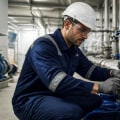
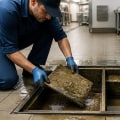
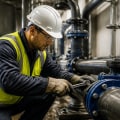
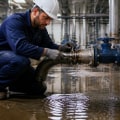
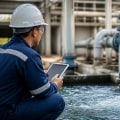
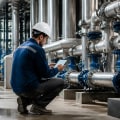
In the realm of industrial plumbing, the management of water resources is not just a necessity; it is a critical component that influences operational efficiency and environmental compliance. As industries expand and regulations tighten, understanding the intricacies of water treatment and filtration systems becomes paramount. These systems are designed to ensure that water used in industrial processes meets specific quality standards, thereby safeguarding both equipment and product integrity. The significance of effective industrial water management cannot be overstated. Industries rely on large volumes of water for various applications, from cooling systems to manufacturing processes.
Without proper treatment and filtration, contaminants can lead to equipment failure, increased maintenance costs, and potential regulatory penalties. Therefore, investing in robust plumbing solutions that incorporate advanced filtration technologies is essential for any industrial operation aiming to maintain productivity while adhering to environmental standards. Moreover, the integration of modern technologies in industrial plumbing not only enhances the efficiency of water treatment processes but also promotes sustainability. By utilizing innovative filtration systems, industries can recycle and reuse water, significantly reducing their overall consumption and minimizing waste. This approach not only benefits the bottom line but also contributes to a more sustainable future, aligning with global efforts to conserve precious water resources.
Key Components of Water Treatment Systems in Industrial Settings
In industrial plumbing, effective water treatment systems are crucial for maintaining water quality and ensuring operational efficiency.These systems typically consist of several key components that work together to purify water and remove contaminants.
- Pre-treatment Systems: Before water enters the main treatment process, it often undergoes pre-treatment to remove larger particles and sediments. This can include screening, coagulation, and flocculation, which help in aggregating smaller particles into larger ones for easier removal.
- Filtration Technologies: Various filtration methods are employed to further purify water. Common technologies include:
- Sand Filters: These are effective for removing suspended solids and turbidity from water.
- Activated Carbon Filters: Used to eliminate organic compounds, chlorine, and unpleasant odors, enhancing the taste and quality of water.
- Membrane Filtration: Techniques such as reverse osmosis (RO) and ultrafiltration (UF) are utilized to remove dissolved solids, bacteria, and viruses, providing high-quality water suitable for sensitive industrial processes.
- Treatment Chemicals: In many cases, chemicals are added to the water to aid in the treatment process. Common chemicals include coagulants, disinfectants like chlorine or ozone, and pH adjusters that help maintain optimal conditions for filtration.
- Monitoring Systems: Continuous monitoring of water quality is essential in industrial settings.
Automated sensors can track parameters such as pH, turbidity, and chemical concentrations, ensuring that the treatment process remains effective and compliant with regulatory standards.
Types of Filtration Methods Used in Industrial Water Treatment
In industrial settings, effective water treatment is crucial for maintaining operational efficiency and ensuring compliance with environmental regulations. Various filtration methods are employed to remove contaminants from water, each tailored to specific applications and types of pollutants.- Mechanical Filtration: This method uses physical barriers, such as screens or membranes, to separate particles from water. Commonly used in pre-treatment processes, mechanical filters can effectively remove larger solids and sediments.
- Activated Carbon Filtration: Utilizing activated carbon's porous structure, this technique adsorbs organic compounds, chlorine, and other impurities.
It is particularly effective in industries where taste and odor control are essential, such as food and beverage manufacturing.
- Reverse Osmosis (RO): RO systems employ a semi-permeable membrane to remove dissolved solids, heavy metals, and other contaminants from water. This method is widely used in industries requiring high-purity water, such as pharmaceuticals and electronics.
- Ultrafiltration (UF): Similar to RO but with larger pore sizes, UF membranes can separate macromolecules and colloids from water. This method is often used in wastewater treatment and for recycling process water.
- Ion Exchange: This technique involves exchanging ions in the water with ions on a resin. It is commonly used for softening hard water or removing specific contaminants like heavy metals.
By selecting the appropriate filtration method based on the specific contaminants present, industries can enhance their operational efficiency while minimizing environmental impact.
Regulatory Standards and Compliance in Industrial Water Treatment
In the realm of industrial plumbing, adherence to regulatory standards and compliance with water treatment regulations is paramount. These regulations are designed to ensure that water treatment processes not only meet safety requirements but also protect the environment from potential hazards associated with industrial waste.Various federal and state agencies, such as the Environmental Protection Agency (EPA) and local health departments, establish guidelines that govern the treatment and filtration of water in industrial settings. Compliance with these standards is not merely a legal obligation; it is a critical component of operational integrity and public health.Key Regulatory Standards
- Clean Water Act (CWA): This federal law regulates discharges of pollutants into U.S. waters and sets quality standards for surface waters.
- Safe Drinking Water Act (SDWA): This act focuses on ensuring safe drinking water for the public, which includes monitoring industrial discharges that may affect water quality.
- Resource Conservation and Recovery Act (RCRA): This regulation governs the disposal of hazardous waste, which is crucial for industries that generate wastewater containing harmful substances.
These may include:
- Permitting Requirements: Industries must obtain permits for wastewater discharge, ensuring that they comply with local water quality standards.
- Regular Inspections: Compliance often involves routine inspections by regulatory bodies to ensure that treatment facilities operate within legal parameters.
- Reporting Obligations: Industries are typically required to report their water usage and treatment processes, providing transparency and accountability.
Challenges in Water Treatment and Filtration for Industries
Managing water treatment and filtration in an industrial setting presents a variety of challenges that can significantly impact operational efficiency and compliance with environmental regulations. Understanding these challenges is crucial for developing effective solutions.Common Water Treatment Challenges
One of the primary challenges in industrial plumbing is the variability in water quality.Industries often source water from different locations, leading to fluctuations in contaminant levels. This inconsistency can complicate treatment processes, requiring adaptable filtration systems that can handle a range of impurities.
Filtration Issues
Another significant issue is the maintenance of filtration systems. Over time, filters can become clogged with particulates, reducing their effectiveness and increasing operational costs. Regular monitoring and maintenance schedules are essential to ensure that these systems function optimally.Common Problems in Water Management
- Regulatory Compliance: Industries must adhere to strict environmental regulations regarding water discharge.
Failure to comply can result in hefty fines and damage to reputation.
- Cost Management: The expenses associated with water treatment technologies can be substantial. Companies must balance the need for effective treatment with budget constraints.
- Technological Integration: Implementing advanced treatment technologies, such as reverse osmosis or UV disinfection, requires skilled personnel and can pose integration challenges with existing systems.
Innovative Technologies in Industrial Water Treatment and Filtration
In the realm of industrial plumbing, the integration of innovative water treatment technologies is revolutionizing how industries manage their water resources. These advanced systems not only enhance efficiency but also ensure compliance with stringent environmental regulations.Advanced Filtration Systems
One of the most significant advancements in water treatment is the development of advanced filtration systems.These systems utilize cutting-edge materials and methods, such as:
- Membrane Filtration: This technology employs semi-permeable membranes to separate contaminants from water, providing high-quality effluent suitable for reuse.
- Activated Carbon Filters: Known for their ability to remove organic compounds and chlorine, these filters are essential in industries where water quality is paramount.
- Ultraviolet (UV) Disinfection: UV technology effectively eliminates pathogens without the use of chemicals, making it a safe choice for various industrial applications.
The Role of Automation and IoT
The incorporation of automation and the Internet of Things (IoT) into industrial water treatment processes has further enhanced operational efficiency. Smart sensors and monitoring systems allow for real-time data collection, enabling:- Predictive Maintenance: By analyzing data trends, industries can anticipate equipment failures before they occur, reducing downtime and maintenance costs.
- Optimized Chemical Usage: Automated dosing systems ensure that chemicals are used efficiently, minimizing waste and environmental impact.
Best Practices for Maintaining Water Treatment Systems in Industries
Maintaining effective water treatment systems in industrial settings is crucial for ensuring optimal performance and longevity. Here are some best practices to consider:- Regular Inspections: Schedule routine inspections of your water treatment systems to identify any potential issues before they escalate.
This includes checking for leaks, corrosion, and the condition of filtration media.
- Routine Maintenance: Implement a regular maintenance schedule that includes cleaning and replacing filters as needed. This not only enhances the efficiency of the system but also prolongs its lifespan.
- Monitor Water Quality: Regularly test the water quality to ensure that it meets industry standards. This includes checking pH levels, turbidity, and the presence of contaminants. Adjustments should be made based on these results.
- Document Everything: Keep detailed records of maintenance activities, inspections, and water quality tests.
This documentation can help in identifying trends over time and is essential for compliance with regulatory standards.
- Train Staff: Ensure that all personnel involved in the operation and maintenance of water treatment systems are adequately trained. Understanding the system's components and their functions can lead to better handling and quicker identification of issues.
- Utilize Technology: Consider using automated monitoring systems that can provide real-time data on water quality and system performance. This technology can alert you to problems before they become serious.
Case Studies: Successful Industrial Water Treatment Implementations
In the realm of industrial plumbing, effective water treatment and filtration systems are crucial for maintaining operational efficiency and compliance with environmental regulations. Here are some notable case studies that highlight successful implementations:1.Automotive Manufacturing Facility
An automotive manufacturer faced challenges with wastewater containing heavy metals and oils.By integrating a multi-stage filtration system, including coalescing filters and activated carbon units, the facility achieved a reduction in contaminants by over 90%. This not only met regulatory standards but also allowed for the recycling of treated water back into the production process, significantly lowering operational costs.
2.Food Processing Plant
A large food processing plant needed to address issues related to high levels of organic matter in its wastewater. The implementation of a biological treatment system, combined with membrane filtration technology, resulted in cleaner effluent that exceeded local discharge requirements. The plant reported a 30% decrease in water usage due to the successful reclamation of treated water for non-potable applications.3.Chemical Manufacturing Company
A chemical manufacturing company struggled with the disposal of hazardous waste in its effluent.By adopting a reverse osmosis (RO) system, they were able to effectively separate harmful substances from their wastewater. This not only ensured compliance with environmental regulations but also opened up opportunities for reusing water within their processes, enhancing sustainability efforts.
4.Power Generation Facility
A power generation facility implemented a state-of-the-art water treatment plant to manage cooling tower blowdown. Utilizing advanced filtration techniques, including sand filters and ultrafiltration membranes, the facility improved water quality and reduced chemical usage by 40%. This initiative not only optimized operational efficiency but also contributed to significant cost savings.These case studies exemplify how tailored water treatment solutions can address specific challenges across various industries, showcasing the importance of innovative approaches in industrial plumbing.Frequently Asked Questions About Industrial Water Treatment and Filtration
When it comes to industrial plumbing, understanding the intricacies of water treatment and filtration is crucial for maintaining operational efficiency and compliance with regulations.Here are some frequently asked questions that can help clarify common concerns:
- What are the primary methods of water treatment in industrial settings?
The most common methods include chemical treatment, physical filtration, and biological processes. Each method serves different purposes, such as removing contaminants or adjusting pH levels. - How often should water filtration systems be maintained?
Regular maintenance is essential. Typically, systems should be inspected and serviced at least once a year, but high-demand industries may require more frequent checks. - What types of filters are best for industrial applications?
The choice of filter depends on the specific contaminants present in the water. Common options include sand filters, cartridge filters, and membrane filters, each suited for different filtration needs. - Can industrial water treatment systems handle varying water quality?
Yes, many modern systems are designed to adapt to fluctuations in water quality.However, it’s important to select a system that can accommodate the specific range of contaminants found in your source water.
- What regulations must be followed regarding industrial water treatment?
Compliance with local, state, and federal regulations is mandatory. This includes adhering to standards set by the Environmental Protection Agency (EPA) and other relevant bodies.