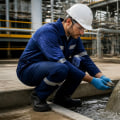
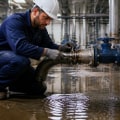
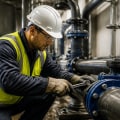
Industrial plumbing refers to the specialized plumbing systems and services designed to meet the unique needs of industrial facilities. Unlike residential plumbing, which primarily focuses on individual homes, industrial plumbing encompasses a wide range of applications in factories, manufacturing plants, and large commercial buildings. This field is crucial for ensuring that these facilities operate efficiently and safely, as it involves the installation, maintenance, and repair of complex piping systems that handle water, gas, and waste.The definition of industrial plumbing extends beyond mere pipe installation; it includes the design and implementation of systems that can withstand high pressures and temperatures, as well as the management of hazardous materials. Industrial plumbers must be well-versed in local codes and regulations, ensuring compliance while also optimizing system performance.
This expertise is vital in industries such as food processing, pharmaceuticals, and chemical manufacturing, where even minor plumbing failures can lead to significant operational disruptions or safety hazards.In summary, an overview of industrial plumbing reveals its critical role in supporting the infrastructure of various industries. By providing reliable water supply and waste management solutions, industrial plumbing not only enhances productivity but also safeguards public health and environmental standards. Understanding this field is essential for anyone involved in industrial operations or facility management, as it lays the groundwork for effective maintenance strategies and operational excellence.
Key Components of Industrial Plumbing Systems
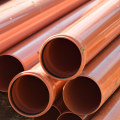
Understanding the key components of industrial plumbing systems is essential for anyone involved in the design, installation, or maintenance of these systems. Industrial plumbing is more complex than residential plumbing, requiring specialized components to handle the unique demands of industrial environments. Here are some of the primary components:- Pipes: The backbone of any plumbing system, pipes in industrial settings are typically made from materials such as PVC, CPVC, steel, or copper.
These materials are chosen based on factors like pressure requirements, temperature tolerance, and the type of fluids being transported.
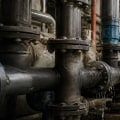
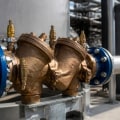
- Valves: Valves control the flow and pressure within the plumbing system. Common types include gate valves, ball valves, and check valves. Each type serves a specific purpose, such as stopping flow, regulating pressure, or preventing backflow.
- Fittings: Fittings connect different sections of piping and allow for changes in direction or diameter. They come in various shapes, including elbows, tees, and reducers, and are crucial for maintaining the integrity of the plumbing system.
- Fixtures: Industrial plumbing fixtures differ significantly from residential ones.
They include heavy-duty sinks, industrial toilets, and specialized equipment like floor drains and grease traps. These fixtures are designed to withstand rigorous use and often have specific sanitation requirements.
Differences Between Residential and Industrial Plumbing
When comparing residential plumbing to industrial plumbing, several key differences emerge that highlight the unique challenges and requirements of each system.Understanding these distinctions is crucial for anyone involved in plumbing design, installation, or maintenance.
Scale and Complexity
- Residential plumbing systems are typically designed for single-family homes or small multi-family units. They involve straightforward layouts with fewer fixtures and simpler piping systems.
- Industrial plumbing, on the other hand, caters to large facilities such as factories, warehouses, and commercial buildings. These systems are more complex, often featuring extensive networks of pipes, valves, and fittings to accommodate high volumes of water and waste.
Materials Used
- In residential settings, common materials include PVC, copper, and PEX. These materials are sufficient for lower pressure and temperature requirements.
- Industrial plumbing requires more robust materials like steel or ductile iron to withstand higher pressures and corrosive substances often found in industrial processes.
Regulatory Standards
- Residential plumbing must adhere to local building codes and regulations that ensure safety and efficiency in home environments.
- Industrial plumbing is subject to stricter regulations due to the potential environmental impact of leaks or failures.
Compliance with industry-specific standards is essential to prevent hazardous situations.
Maintenance Requirements
- Residential systems generally require routine maintenance such as drain cleaning and fixture repairs, which can often be handled by homeowners or local plumbers.
- In contrast, industrial plumbing systems demand specialized knowledge for maintenance due to their complexity. Regular inspections and preventive maintenance are critical to avoid costly downtime in production processes.
Common Applications of Industrial Plumbing
Industrial plumbing plays a crucial role in various sectors, ensuring that essential systems function efficiently and safely. Here are some of the key applications of industrial plumbing across different industries:- Manufacturing: In manufacturing facilities, industrial plumbing is vital for transporting water, chemicals, and other fluids necessary for production processes.
This includes everything from cooling systems to waste disposal.
- Food Processing: The food industry relies heavily on industrial plumbing to maintain hygiene and safety standards. Plumbing systems are used for washing equipment, processing food, and managing wastewater. Proper installation and maintenance are critical to prevent contamination.
- Pharmaceuticals: In pharmaceutical manufacturing, precise plumbing systems are essential for the production of medications. These systems must adhere to strict regulations to ensure that all processes are sterile and safe.
- Agriculture: Industrial plumbing is also utilized in agricultural settings, particularly in irrigation systems and livestock watering.
Efficient plumbing helps optimize water usage and supports sustainable farming practices.
- Construction: During construction projects, industrial plumbing is necessary for installing piping systems that will support future operations. This includes everything from drainage systems to fire suppression systems.
Challenges in Industrial Plumbing
Industrial plumbing systems are essential for the smooth operation of various industries, but they come with a unique set of challenges that can complicate maintenance and efficiency. Understanding these challenges is crucial for effective system management.Maintenance Issues
One of the primary challenges in industrial plumbing is the ongoing maintenance required to keep systems functioning optimally.
Industrial plumbing systems often handle large volumes of water and waste, which can lead to wear and tear over time. Regular inspections and maintenance are necessary to identify potential issues before they escalate into costly repairs. Common maintenance problems include:
- Corrosion of pipes due to chemical exposure
- Clogged drains from debris accumulation
- Leaking joints that can lead to water damage
Regulatory Compliance
Another significant challenge is ensuring compliance with local, state, and federal regulations. Industrial facilities must adhere to strict plumbing codes that govern everything from water quality to waste disposal.
Failure to comply can result in hefty fines and operational shutdowns. Keeping up with changing regulations requires constant vigilance and may necessitate regular training for staff.
System Design Complexities
The design of industrial plumbing systems can also pose challenges. Unlike residential plumbing, industrial systems must accommodate a variety of factors such as:
- The type of materials being transported (e.g., chemicals, steam)
- The pressure requirements for different processes
- The need for specialized fixtures and fittings
Best Practices for Industrial Plumbing Maintenance
Maintaining industrial plumbing systems is crucial for ensuring operational efficiency and minimizing costly repairs.Here are some best practices to follow for effective industrial plumbing maintenance.
- Regular Inspections: Schedule routine inspections of your plumbing systems to identify potential issues before they escalate. Look for signs of leaks, corrosion, or wear and tear on pipes and fittings.
- Preventive Maintenance: Implement a preventive maintenance program that includes regular cleaning of drains and pipes. This helps to prevent clogs and buildup that can lead to more significant problems.
- Monitor Water Pressure: Keep an eye on water pressure levels. High pressure can cause stress on pipes, leading to leaks or bursts.
Use pressure regulators where necessary to maintain optimal levels.
- Document Maintenance Activities: Maintain detailed records of all maintenance activities, including inspections, repairs, and replacements. This documentation can help track the health of your plumbing system over time.
- Train Staff: Ensure that your staff is trained in basic plumbing maintenance practices. They should know how to identify early warning signs of plumbing issues and understand the importance of reporting them promptly.
- Use Quality Materials: When repairing or replacing components, always opt for high-quality materials that are suitable for industrial use. This can significantly extend the lifespan of your plumbing systems.
Future Trends in Industrial Plumbing
The future of industrial plumbing is poised for significant transformation, driven by advancements in technology and a growing emphasis on sustainability.As industries evolve, so too must the plumbing systems that support them. Here are some key trends and innovations shaping the future of this essential field.
Smart Plumbing Systems
One of the most exciting developments in industrial plumbing is the integration of smart technology. Smart plumbing systems utilize sensors and IoT (Internet of Things) devices to monitor water usage, detect leaks, and optimize system performance in real-time. This not only enhances efficiency but also reduces water waste, aligning with global sustainability goals.Advanced Materials
The use of advanced materials is another trend gaining traction.Innovations such as cross-linked polyethylene (PEX) and high-density polyethylene (HDPE) offer superior durability and resistance to corrosion compared to traditional materials. These materials can withstand extreme conditions, making them ideal for industrial applications.
Sustainable Practices
As environmental concerns continue to rise, the plumbing industry is increasingly adopting sustainable practices. This includes the implementation of rainwater harvesting systems, greywater recycling, and energy-efficient fixtures. Such practices not only help conserve resources but also reduce operational costs for businesses.Automation and Robotics
The rise of automation and robotics in industrial plumbing is set to revolutionize installation and maintenance processes.Automated systems can perform routine inspections and repairs, minimizing downtime and enhancing safety for workers. This shift towards automation will likely lead to a more efficient workforce and lower labor costs.
Regulatory Changes
Finally, staying abreast of regulatory changes is crucial for businesses in the industrial plumbing sector. As governments implement stricter regulations regarding water conservation and waste management, companies must adapt their plumbing systems accordingly to remain compliant and competitive.In conclusion, the future of industrial plumbing is bright, with numerous trends and innovations on the horizon. By embracing these changes, businesses can enhance their operational efficiency while contributing to a more sustainable future.FAQs About Industrial Plumbing
When it comes to industrial plumbing, many people have questions about its scope, applications, and differences from residential plumbing.Here are some of the most frequently asked questions:
- What is industrial plumbing?
Industrial plumbing refers to the systems and processes involved in the installation, maintenance, and repair of plumbing systems in industrial settings such as factories, warehouses, and manufacturing plants. This includes handling large-scale piping systems, drainage solutions, and specialized equipment. - How does industrial plumbing differ from residential plumbing?
While both types of plumbing involve similar principles, industrial plumbing typically deals with larger systems that require more complex engineering. Industrial systems often handle higher volumes of water and waste, utilize different materials, and may involve hazardous substances. - What are common materials used in industrial plumbing?
Common materials include:- Steel: Often used for pipes due to its strength and durability.
- PVC: Lightweight and resistant to corrosion, making it suitable for various applications.
- Copper: Used for its excellent thermal conductivity and resistance to corrosion.
- What types of services do industrial plumbers provide?
Industrial plumbers offer a range of services including:- Installation of piping systems
- Maintenance and repair of existing systems
- Emergency plumbing services
- Compliance inspections to meet safety regulations
- Why is regular maintenance important in industrial plumbing?
Regular maintenance helps prevent costly breakdowns, ensures compliance with safety standards, and extends the lifespan of plumbing systems. It also minimizes downtime in production processes.
Conclusion: The Importance of Understanding Industrial Plumbing
In conclusion, understanding industrial plumbing is crucial for both professionals in the field and businesses that rely on these systems for their operations.Throughout this article, we have explored the unique characteristics of industrial plumbing, including its complexity, the materials used, and the specific regulations that govern it.For professionals, having a solid grasp of industrial plumbing principles not only enhances their skill set but also ensures compliance with safety standards and regulations. This knowledge is essential for troubleshooting issues, performing maintenance, and implementing effective solutions that can prevent costly downtime.Businesses, on the other hand, benefit from understanding industrial plumbing as it directly impacts their operational efficiency. A well-designed plumbing system can lead to significant cost savings through reduced water waste and improved energy efficiency. Moreover, being aware of potential plumbing issues allows businesses to take proactive measures, thereby minimizing disruptions to their workflow.Ultimately, whether you are a plumber or a business owner, recognizing the importance of industrial plumbing can lead to better decision-making and enhanced operational performance.
Investing time in understanding these systems is not just beneficial; it is essential for long-term success in any industrial environment.