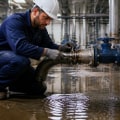
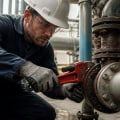
Corrosion is a natural process that occurs when metals react with their environment, leading to deterioration and degradation. In the context of industrial plumbing, corrosion can have severe implications, affecting not only the integrity of the plumbing system but also the overall efficiency and safety of industrial operations. Understanding the mechanisms behind corrosion in plumbing is essential for facility managers and maintenance teams to implement effective prevention strategies. The causes of corrosion in industrial plumbing systems are multifaceted. Factors such as moisture, temperature fluctuations, and the presence of corrosive substances can accelerate the corrosion process.
For instance, water with high acidity or salinity can significantly increase the rate at which pipes corrode. Additionally, the type of materials used in plumbing systems plays a crucial role; certain metals are more susceptible to corrosion than others. Recognizing these factors is vital for identifying potential risks and mitigating them before they lead to costly repairs or system failures. Moreover, the consequences of neglecting corrosion prevention can be dire. Not only can it lead to leaks and water damage, but it can also result in hazardous working conditions and regulatory compliance issues.
Therefore, understanding industrial plumbing corrosion is not just an academic exercise; it is a critical component of maintaining operational efficiency and safety in any industrial setting. By grasping the fundamentals of corrosion, stakeholders can better appreciate the importance of implementing robust prevention measures.
Types of Corrosion Affecting Industrial Plumbing
Corrosion is a significant concern in industrial plumbing systems, as it can lead to costly repairs and system failures. Understanding the different types of corrosion that can affect these systems is crucial for effective prevention and maintenance strategies.Pitting Corrosion
Pitting corrosion is characterized by the formation of small, localized pits or holes in the metal surface. This type of corrosion is particularly dangerous because it can occur without any visible signs until significant damage has been done.Factors contributing to pitting include:
- Chloride ions: Commonly found in water, these ions can accelerate the pitting process.
- Stagnant water: Areas where water does not flow can create conditions conducive to pitting.
- Temperature: Higher temperatures can increase the rate of pitting corrosion.
Galvanic Corrosion
Galvanic corrosion occurs when two dissimilar metals are in contact in the presence of an electrolyte, such as water. This type of corrosion leads to one metal corroding faster than the other. To mitigate galvanic corrosion in industrial plumbing, it is essential to:- Avoid direct contact: Use insulating materials to separate dissimilar metals.
- Use sacrificial anodes: These are more reactive metals that corrode instead of the primary metal.
Uniform Corrosion
Uniform corrosion is the most common type and occurs evenly across a surface. It typically results from exposure to corrosive environments, such as acidic or alkaline conditions.Regular inspections and maintenance can help identify uniform corrosion early, allowing for timely interventions. Key strategies include:
- Regular monitoring: Implementing routine checks can help detect early signs of uniform corrosion.
- Protective coatings: Applying protective layers can significantly reduce exposure to corrosive elements.
Factors Contributing to Corrosion in Industrial Plumbing Systems
Corrosion in industrial plumbing systems is a multifaceted issue influenced by various environmental and chemical factors. Understanding these factors is crucial for developing effective corrosion prevention strategies.Environmental Factors
Environmental conditions play a significant role in the rate and extent of corrosion. Key environmental factors include:- Humidity: High humidity levels can accelerate corrosion, especially in metal pipes, as moisture promotes electrochemical reactions.
- Temperature: Elevated temperatures can increase the rate of corrosion by enhancing the reactivity of corrosive agents.
- Oxygen Levels: The presence of oxygen in water or air can lead to oxidation processes that contribute to corrosion.
- Presence of Salts: In coastal areas, salt from seawater can significantly increase the corrosive potential of water, leading to rapid deterioration of plumbing materials.
Chemical Factors
Chemical composition of the fluids transported through industrial plumbing systems also affects corrosion rates.Important chemical factors include:
- pH Levels: Acidic or alkaline conditions can lead to different types of corrosion. For instance, low pH levels can cause aggressive corrosion in metals.
- Dissolved Gases: Gases such as carbon dioxide and hydrogen sulfide can dissolve in water, forming acids that corrode metal surfaces.
- Chlorides: The presence of chlorides, often found in industrial processes, can lead to pitting corrosion, which is particularly damaging.
Corrosion Prevention Techniques for Industrial Plumbing
Corrosion is a significant concern in industrial plumbing systems, as it can lead to costly repairs and system failures. Implementing effective corrosion prevention techniques is essential for maintaining the integrity and longevity of these systems. Below are some key strategies to consider:- Protective Coatings: Applying protective coatings to pipes and fittings is one of the most effective ways to prevent corrosion.
These coatings act as a barrier between the metal surface and corrosive elements, such as moisture and chemicals. Common types of protective coatings include epoxy, polyurethane, and zinc-rich paints.
- Cathodic Protection: This technique involves using sacrificial anodes or impressed current systems to protect metal surfaces from corrosion. By redirecting the electrochemical reactions that cause corrosion, cathodic protection can significantly extend the life of industrial plumbing components.
- Regular Maintenance Practices: Routine inspections and maintenance are crucial for identifying early signs of corrosion. Regularly checking for leaks, monitoring water quality, and cleaning pipes can help mitigate corrosion risks.
Additionally, implementing a maintenance schedule that includes replacing worn-out components can prevent more extensive damage.
Regular Maintenance and Inspection Practices
Regular maintenance and inspection practices are crucial for the longevity and efficiency of an industrial plumbing system. By establishing a consistent maintenance schedule, facilities can identify early signs of corrosion and address them before they escalate into more significant issues.Establishing a Maintenance Schedule
- Conduct inspections at least quarterly to assess the condition of pipes, fittings, and joints.
- Implement a monthly check for any visible signs of corrosion, such as rust or discoloration.
- Schedule annual comprehensive assessments that include pressure testing and flow analysis.
Inspection Practices
- Visual Inspections: Regularly inspect all accessible areas of the plumbing system for signs of wear, leaks, or corrosion.
- Use of Technology: Consider employing advanced technologies such as ultrasonic testing or infrared thermography to detect hidden corrosion.
- Documentation: Keep detailed records of inspections and maintenance activities to track changes over time and identify patterns.
Maintenance Tips
- Corrosion Inhibitors: Use chemical inhibitors in the water supply to reduce the rate of corrosion in metal pipes.
- Proper Drainage: Ensure that all areas around plumbing fixtures are well-drained to prevent moisture accumulation.
- Temperature Control: Maintain optimal water temperatures to minimize the risk of corrosion caused by thermal expansion and contraction.
Case Studies: Successful Corrosion Prevention in Industrial Settings
Corrosion prevention in industrial plumbing systems is critical for maintaining operational efficiency and safety. Here are some notable case studies that illustrate effective strategies implemented in various industrial settings.Case Study 1: Chemical Processing Plant
A leading chemical processing plant faced significant corrosion issues due to aggressive chemicals in their plumbing system.To combat this, they implemented a comprehensive corrosion monitoring program that included:
- Regular inspections using advanced ultrasonic testing to identify early signs of corrosion.
- The installation of corrosion-resistant materials, such as PVC and CPVC pipes, which significantly reduced the risk of degradation.
- Utilization of cathodic protection systems to prevent electrochemical reactions that lead to corrosion.
Case Study 2: Food Processing Facility
A food processing facility encountered corrosion problems due to high humidity and exposure to various cleaning agents. Their approach included:- Switching to stainless steel piping, which is more resistant to both corrosion and contamination.
- Implementing a water treatment program to control pH levels and minimize corrosive effects on the plumbing system.
- Training staff on proper cleaning techniques to avoid damaging the plumbing infrastructure.
Case Study 3: Power Generation Facility
A power generation facility faced challenges with corrosion in their cooling water systems. They adopted a multi-faceted approach that included:- The use of corrosion inhibitors in their cooling water to protect metal surfaces.
- Regularly scheduled maintenance checks to monitor the effectiveness of the inhibitors and adjust as necessary.
- The installation of advanced filtration systems to remove particulates that could contribute to corrosion.
Frequently Asked Questions about Corrosion Prevention in Industrial Plumbing
Corrosion prevention in industrial plumbing systems is a critical concern for maintaining the integrity and longevity of piping infrastructure. Below are some frequently asked questions that address common issues and solutions related to corrosion prevention.- What are the primary causes of corrosion in industrial plumbing?
Corrosion can be caused by several factors, including: - Electrochemical reactions: These occur when different metals are in contact with each other in the presence of an electrolyte.
- Environmental conditions: High humidity, temperature fluctuations, and exposure to chemicals can accelerate corrosion.
- Water quality: The presence of dissolved oxygen, chlorides, and other corrosive agents in water can lead to pipe degradation.
- How can I prevent corrosion in my industrial plumbing system?
Implementing effective corrosion prevention strategies is essential.Consider the following methods:
- Regular inspections: Conduct routine checks to identify early signs of corrosion.
- Protective coatings: Apply anti-corrosive paints or linings to metal surfaces to create a barrier against moisture and chemicals.
- Cathodic protection: Use sacrificial anodes or impressed current systems to protect metal surfaces from electrochemical reactions.
- Water treatment: Treat water to reduce corrosive elements, such as adjusting pH levels and removing dissolved oxygen.
- What should I do if I notice corrosion in my plumbing system?
If you detect corrosion, take immediate action: - Assess the extent: Determine how widespread the corrosion is and whether it poses a risk to system integrity.
- Consult professionals: Engage with plumbing experts who specialize in corrosion management for tailored solutions.
- Implement repairs: Replace corroded sections of piping and apply preventive measures to avoid future issues.
Conclusion: Key Takeaways on Corrosion Prevention Strategies
In summary, effective corrosion prevention strategies are essential for maintaining the integrity and longevity of industrial plumbing systems. By implementing a combination of proactive measures, facilities can significantly reduce the risk of corrosion-related failures and costly repairs.Key takeaways include:- Regular Inspections: Conducting routine inspections helps identify early signs of corrosion, allowing for timely interventions.
- Material Selection: Choosing corrosion-resistant materials, such as stainless steel or specialized alloys, can greatly enhance the durability of plumbing systems.
- Protective Coatings: Applying protective coatings to pipes and fittings serves as a barrier against corrosive elements, extending the lifespan of the system.
- Water Quality Management: Monitoring and controlling water chemistry is crucial. Adjusting pH levels and minimizing contaminants can prevent corrosive reactions.
- Cathodic Protection: Implementing cathodic protection systems can effectively mitigate corrosion by redirecting electrochemical reactions away from vulnerable areas.